


Science
Founded on AI to decode the signals of tissue repair.
Human stem cells secrete thousands of proteins, their secretome, that instruct cells to grow, heal, and communicate. JuvNET is Juvena's AI-enabled platform for mapping that secretome and engineering its most promising proteins into medicines.

Mapping the secretome
JuvNET begins with proteomics: purifying the secretome of multiple human stem-cell sources, determining each protein's function and measuring what makes it distinct. The library holds more than 4,000 secreted proteins, mapped against more than 70,000 recognized human diseases.
One integrated screen
Machine-learning models predict which proteins act in which diseases; human phenotypic cell assays confirm target engagement; in vivo studies validate bioactivity. Each cycle feeds the library.
From hit to biologic
Top secreted-protein hits are engineered toward an indication-specific target product profile. Investigational JUV-161 was discovered and developed this way.
A pipeline in a product
Every Juvena program began on JuvNET; the platform is now applied with Lilly to muscle and metabolic health.
How JuvNET works
Eight steps from secretome to candidate.
A fully integrated approach that combines in silico, in vitro, in vivo and protein-engineering techniques to translate the body's natural secreted proteins into disease-modifying biologics.
Build the library
- 01
Secretome purification
Secreted proteins are purified from multiple human stem-cell sources.
- 02
Function determined
The proteins' biological function is characterized.
- 03
Quantitative proteomics
Differentiating properties of every protein are measured.
- 04
An expanding protein library
A first-in-class library of uniquely characterized therapeutic candidates, growing with every cycle.
Translate into medicines
- 05
AI modeling
Models decode protein characteristics and predict functionality in disease.
- 06
Human phenotypic screening
Laboratory assays verify target engagement in human cell-based assays.
- 07
In vivo validation
Leads are validated in living systems to confirm bioactivity and suitability for development.
- 08
Protein engineering
Top hits are engineered into biologics toward an indication-specific target product profile.
Why secreted proteins
Nature's own signaling molecules.
Secreted proteins regulate tissue repair and regeneration, organ development and the immune response. They are a proven class of biologics. Because they were historically difficult to screen at scale, they have also stayed largely unexplored.
Immune response
Secreted proteins communicate between body systems to coordinate inflammation and its resolution.
Repair processes
They direct cellular repair after injury and in chronic disease.
Stem-cell activation
They activate resident stem cells to rebuild tissue.
Tissue regeneration
They drive the regeneration and homeostasis of organs and tissues.

A library that compounds
Every screen makes the next one sharper.
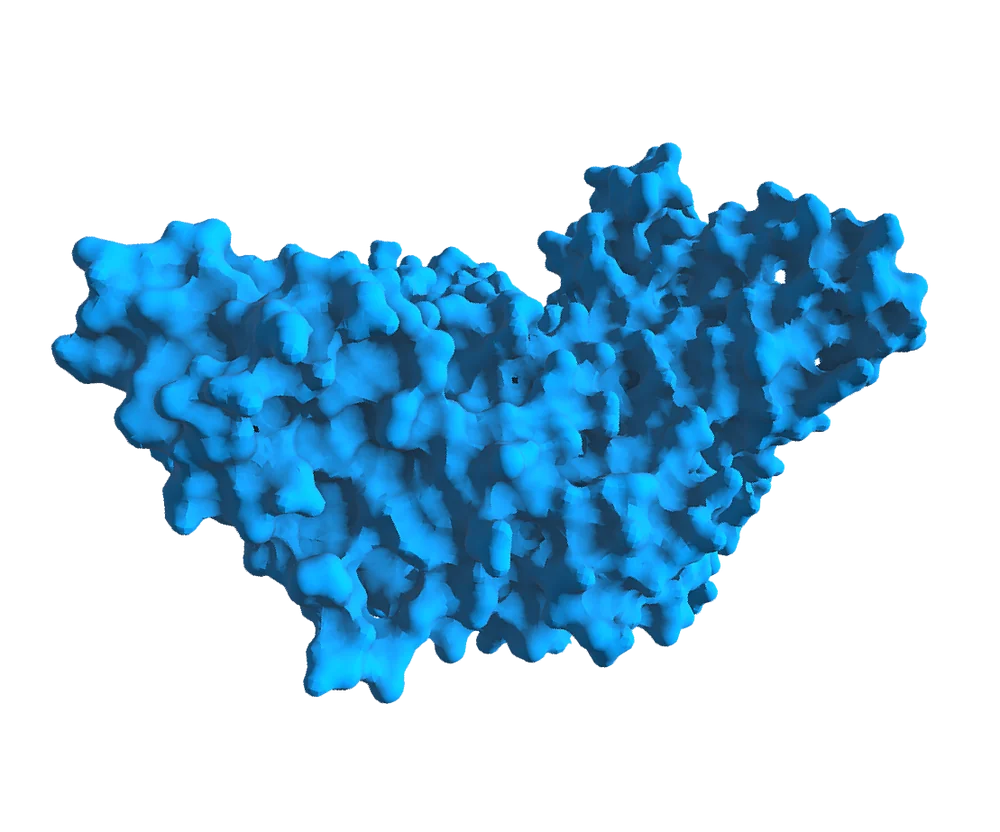
Juvena's multi-dimensional library is a map of secreted proteins and their disease-modifying effects across organs and indications. Data from quantitative proteomics, transcriptomics and computer vision re-enter the library with each cycle of screening, so candidates can be identified and ranked more quickly and cost-effectively than with traditional methods. (Patent pending.)
Founding research and selected literaturePartnering
Bring a disease question to JuvNET.
Juvena takes on partnered programs at any point along that path, from target discovery through co-development.